• About Me
    • Experience
    • Contact
    • Artist & Curatorial Services
    • Educational Services
    • Nonprofit Services
  • Curatorial
  • Artwork
  • Events
  • PRESS
Menu

Hayley Ferber

Street Address
City, State, Zip
Phone Number
Art + Education + Community

Your Custom Text Here

Hayley Ferber

  • About
    • About Me
    • Experience
    • Contact
  • Consulting
    • Artist & Curatorial Services
    • Educational Services
    • Nonprofit Services
  • Curatorial
  • Artwork
  • Events
  • PRESS

Theseus' Craft

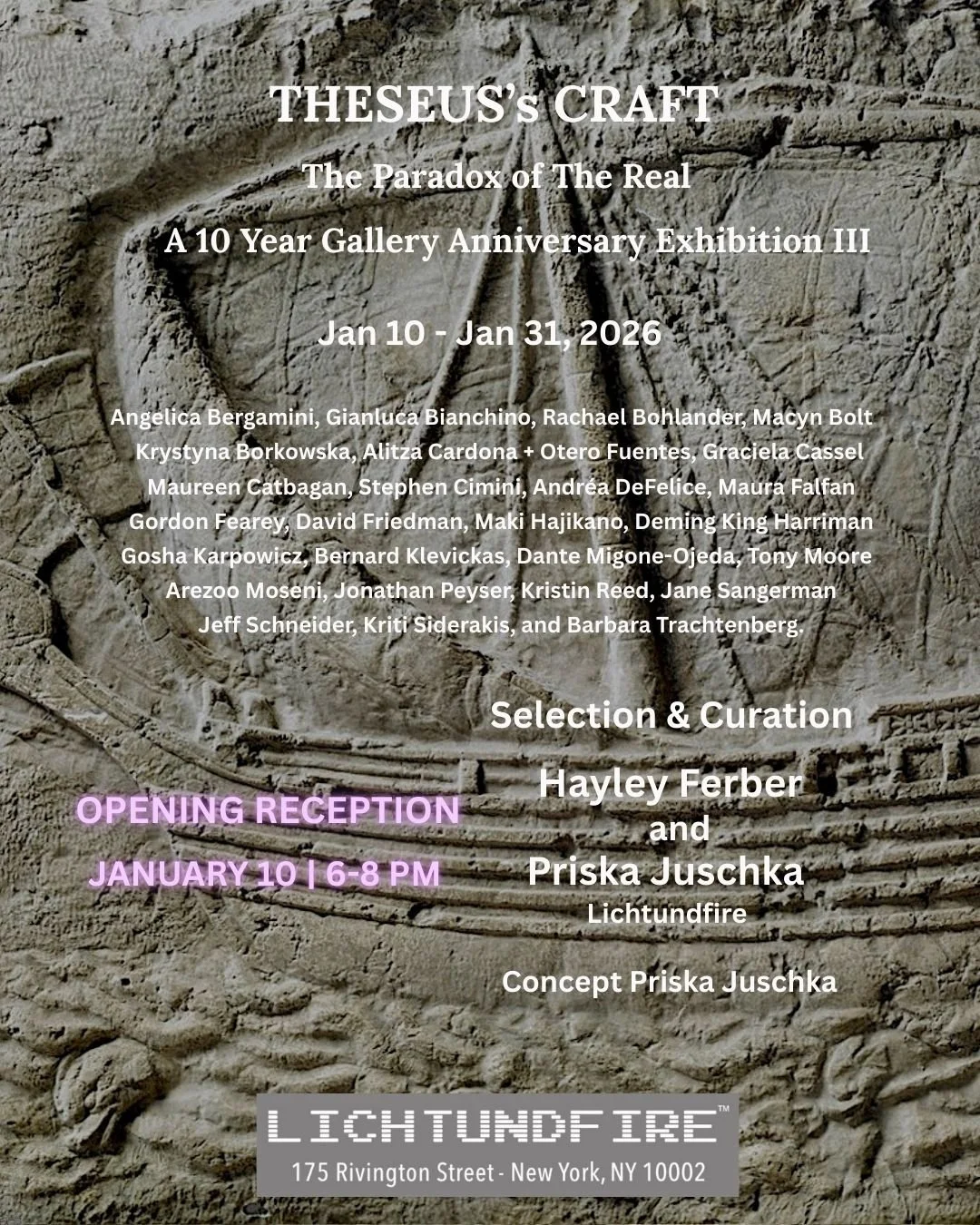
THESEUS’s CRAFT :The Paradox of the Real, co-curated by independent curator Hayley Ferber and Lichtundfire's gallery director Priska Juschka is a conceptual continuation of the previous two exhibitions, interlaced with the myth of Ariadne, and based on the character of her interim lover, Theseus, per the myth- the son of King Aegeus of Athens.

Also known as the Ship (craft) of Theseus, it presents a paradox and a philosophical thought experiment that questions whether an object remains the same object after all of its original components have been replaced over time. According to the myth, the legendary trireme, a three-rowed galley from which the Cretan Princess Ariadne and Theseus departed Crete after he had slain his half-brother, a dangerous, human-eating Minotaur, was preserved by the Athenians.

Each year, the citizens of Athens would honor Theseus's act of rescuing Athenian children who were destined to be fed to the Minotaur by a Pilgrimage to the Island of Delos, where he had gone after leaving Crete. Over the centuries, to preserve the ship, the Athenians replaced its decaying planks with new ones, to keep the memory of their hero alive and the symbol of his victory intact in his honor.

This paradox raises questions of loss, replacement, transformation, and ultimately, the question of identity and reality. The Ship of Theseus, also known as Theseus's Paradox, questions whether an object, here the ship, is the same authentic object after all its original parts have been exchanged with newer ones. The conundrum, here, lies in the observation that the ship can still be considered Theseus’s, even if all parts are from a later period.

The philosopher and theorist Thomas Hobbs complicates matters by raising an additional question, wondering what if the old planks had been kept and reassembled— would this make the second one obsolete, or would both exist— a thought that refers to humanity’s, all organisms, and objects dependency on linear time and the impact it seems and continues to have on all existing matter.

This questions the nature of Existence itself, as perceived on a timeline that replaces or changes each cell, organic, and even inorganic component over time, and renders what was perceived as real and reality an intangible manifestation of the past and a figment of our memory or imagination.

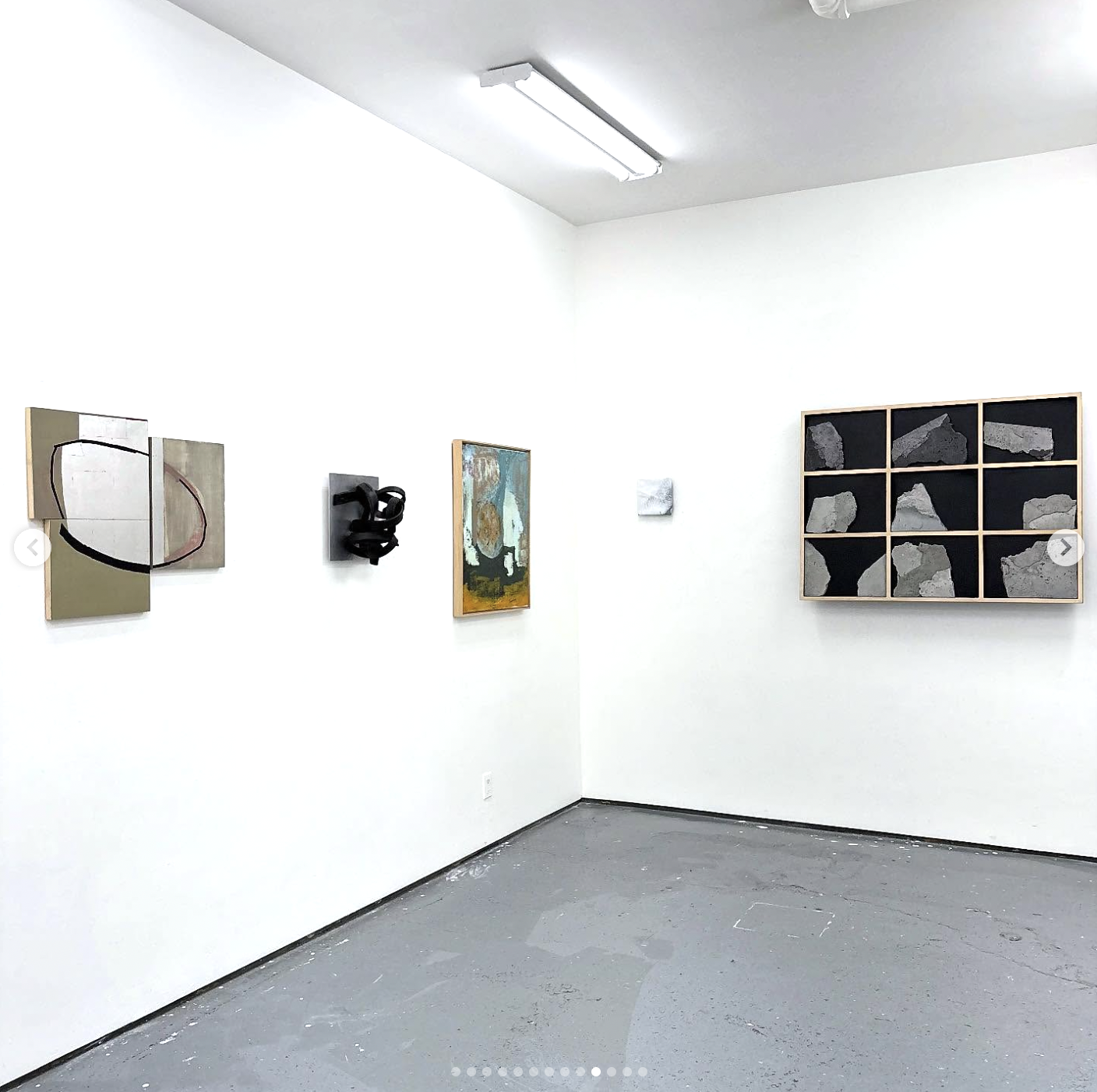
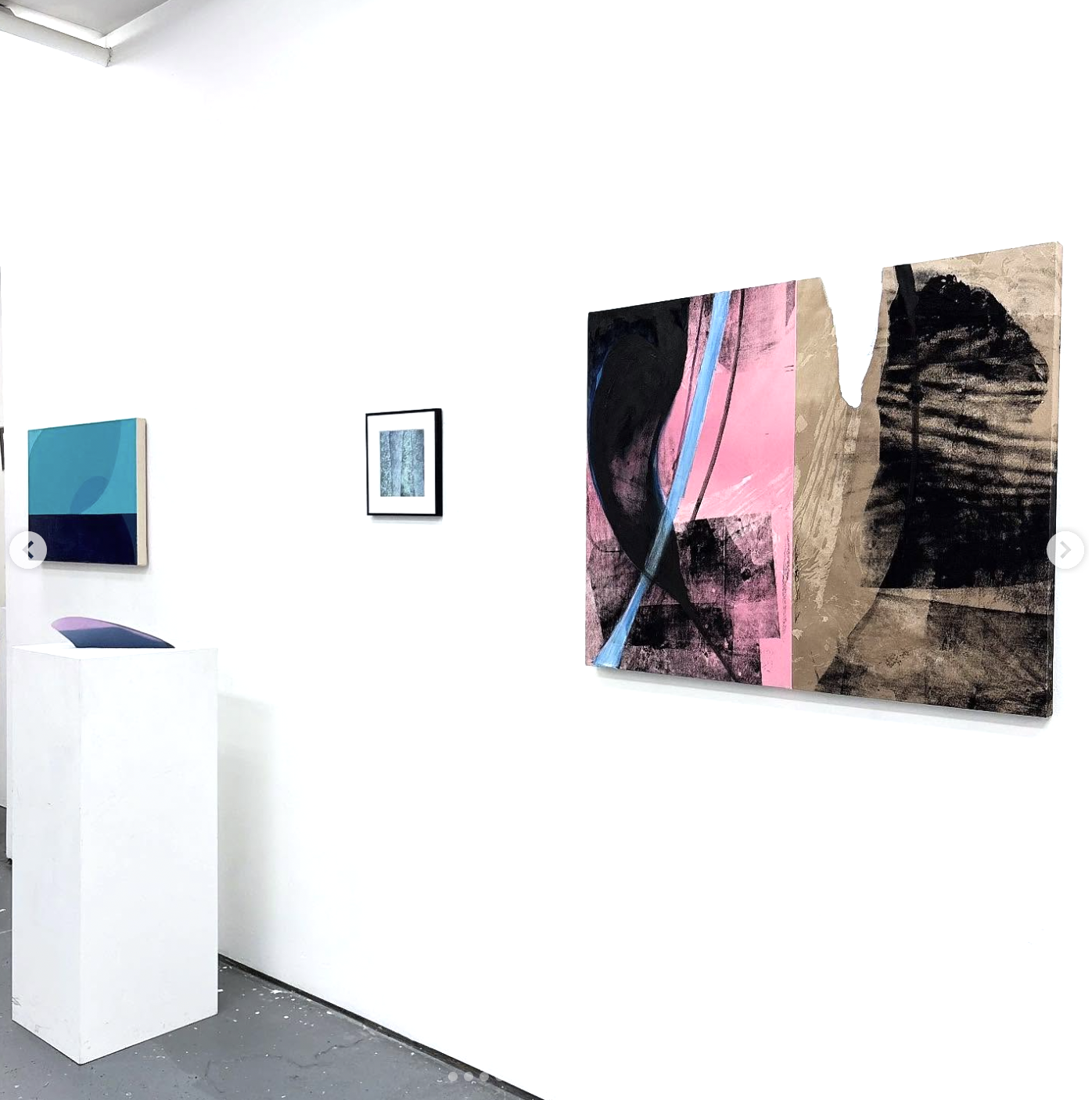
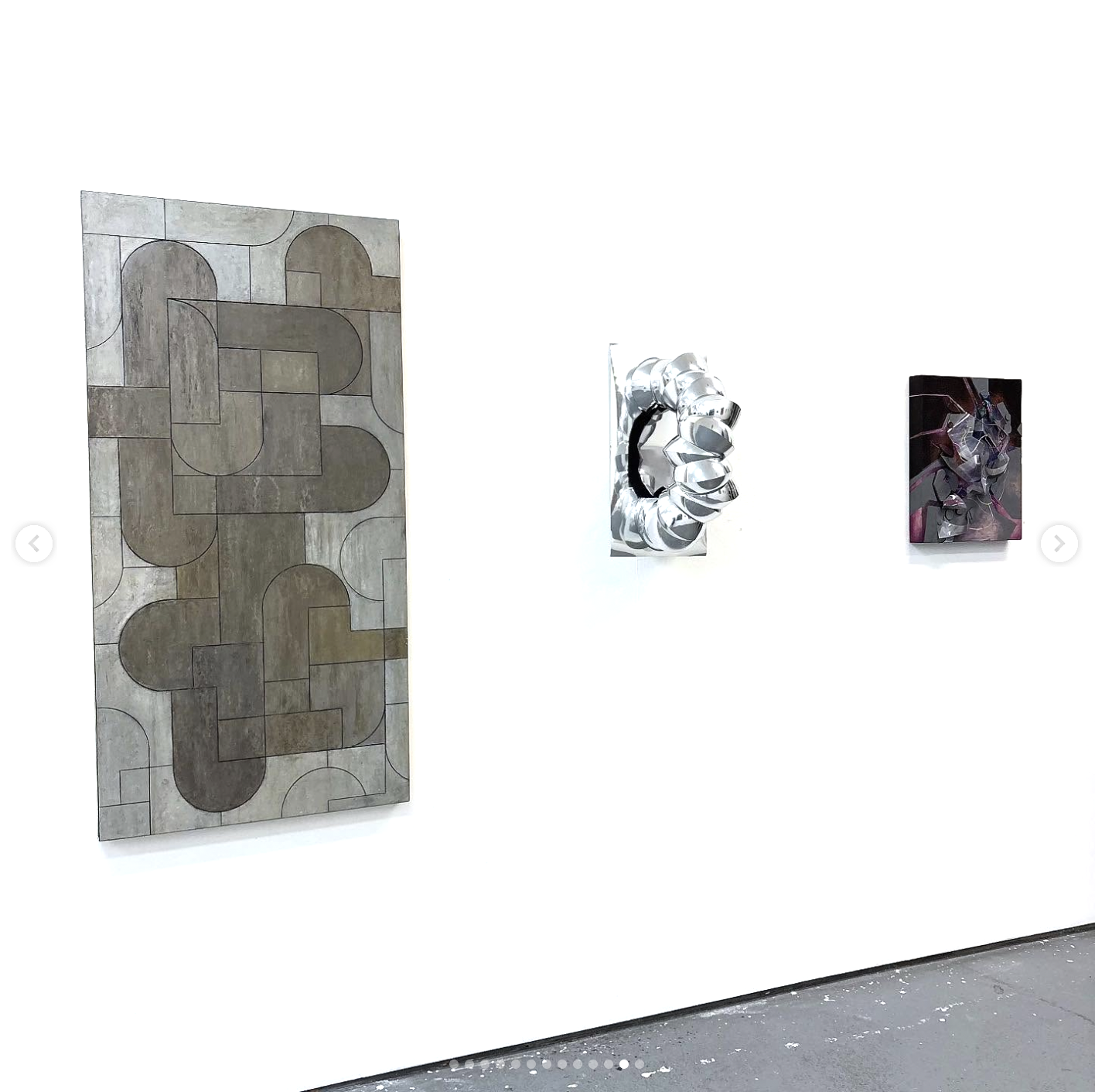
The artists in the exhibition, with their concepts, mediums, and processes, both evoke and invoke the very essence of this paradox that lies within all matter- opening the door to much speculation about the future of all that exists.
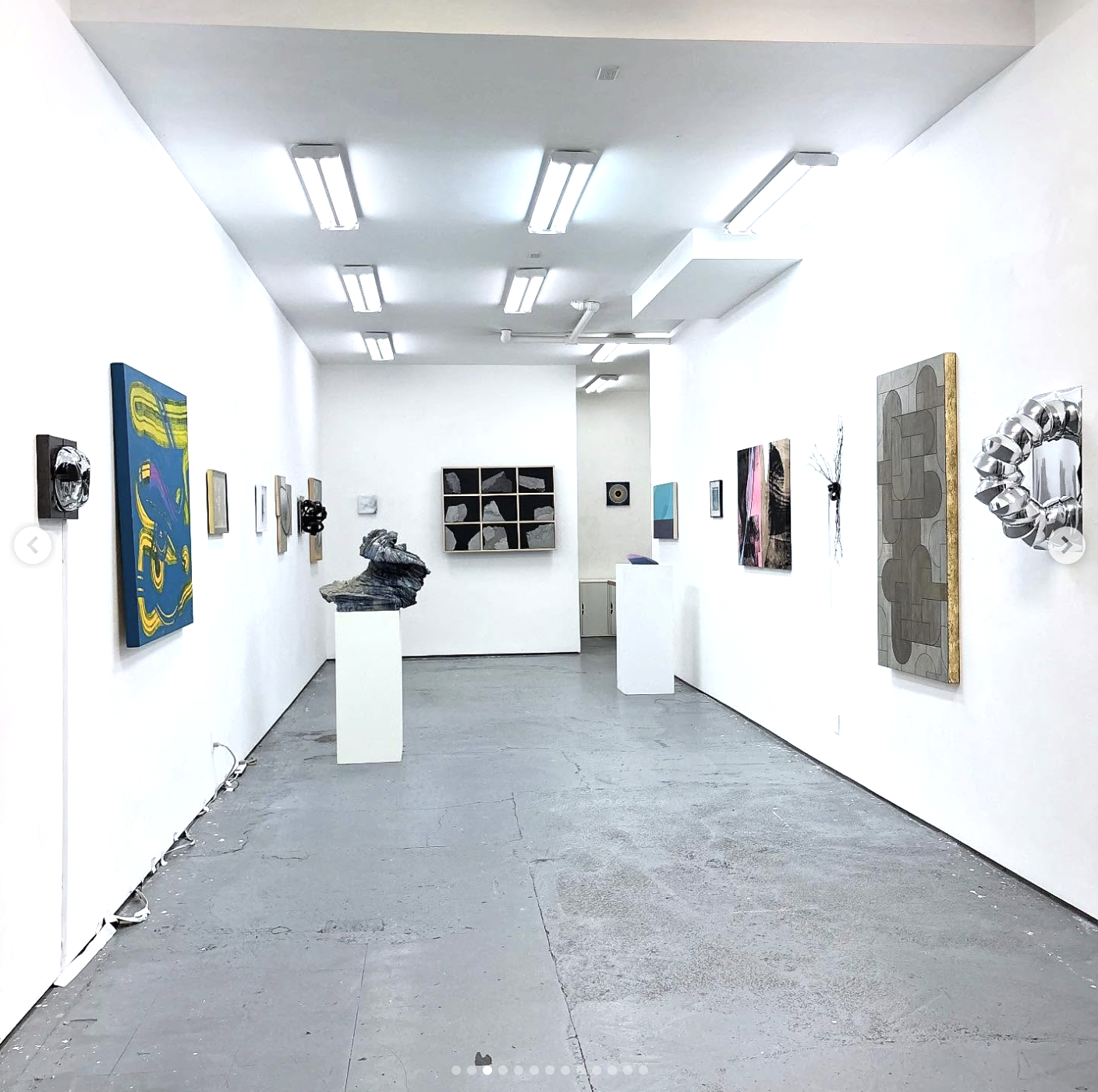
Theseus' Craft

THESEUS’s CRAFT :The Paradox of the Real, co-curated by independent curator Hayley Ferber and Lichtundfire's gallery director Priska Juschka is a conceptual continuation of the previous two exhibitions, interlaced with the myth of Ariadne, and based on the character of her interim lover, Theseus, per the myth- the son of King Aegeus of Athens.

Also known as the Ship (craft) of Theseus, it presents a paradox and a philosophical thought experiment that questions whether an object remains the same object after all of its original components have been replaced over time. According to the myth, the legendary trireme, a three-rowed galley from which the Cretan Princess Ariadne and Theseus departed Crete after he had slain his half-brother, a dangerous, human-eating Minotaur, was preserved by the Athenians.

Each year, the citizens of Athens would honor Theseus's act of rescuing Athenian children who were destined to be fed to the Minotaur by a Pilgrimage to the Island of Delos, where he had gone after leaving Crete. Over the centuries, to preserve the ship, the Athenians replaced its decaying planks with new ones, to keep the memory of their hero alive and the symbol of his victory intact in his honor.

This paradox raises questions of loss, replacement, transformation, and ultimately, the question of identity and reality. The Ship of Theseus, also known as Theseus's Paradox, questions whether an object, here the ship, is the same authentic object after all its original parts have been exchanged with newer ones. The conundrum, here, lies in the observation that the ship can still be considered Theseus’s, even if all parts are from a later period.

The philosopher and theorist Thomas Hobbs complicates matters by raising an additional question, wondering what if the old planks had been kept and reassembled— would this make the second one obsolete, or would both exist— a thought that refers to humanity’s, all organisms, and objects dependency on linear time and the impact it seems and continues to have on all existing matter.

This questions the nature of Existence itself, as perceived on a timeline that replaces or changes each cell, organic, and even inorganic component over time, and renders what was perceived as real and reality an intangible manifestation of the past and a figment of our memory or imagination.

The artists in the exhibition, with their concepts, mediums, and processes, both evoke and invoke the very essence of this paradox that lies within all matter- opening the door to much speculation about the future of all that exists.
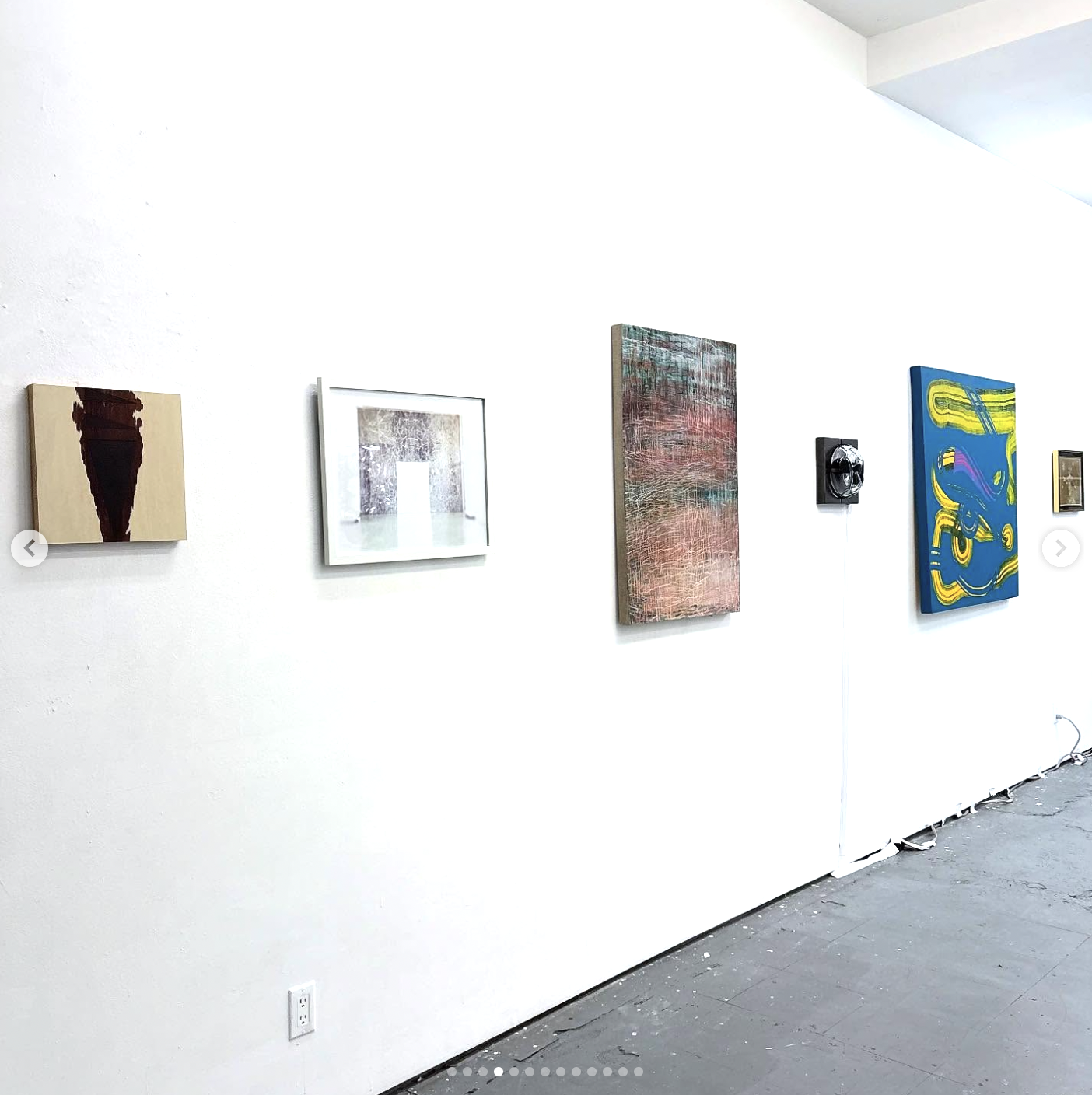
THESEUS's CRAFT Flyer OPENING RECPTION FLYER.JPG.jpeg
Screenshot 2026-01-14 at 2.14.58 PM.png
Screenshot 2026-01-14 at 2.18.21 PM.png
Screenshot 2026-01-14 at 2.16.30 PM.png
Screenshot 2026-01-14 at 2.17.36 PM.png
Screenshot 2026-01-14 at 2.16.44 PM.png

Powered by Squarespace